Members join your association for all sorts of reasons, from gaining access to your valuable professional network to attending informative events about the latest industry happenings. However, one offering that often goes overlooked is volunteer opportunities.
While not every association promotes volunteering, those that do provide unique networking opportunities for members, offer exclusive benefits, and enable members to apply their skills in new contexts. Whether you’re looking for pro-bono work relevant to your industry or need more volunteers to help out at association events, volunteering provides valuable experiences for members.
Like any other offering, your association will need to promote volunteering to encourage engagement. In this guide, we’ll break down five strategies you can leverage to boost member volunteerism.
1. Use the right technology.
Modern volunteer strategies use modern tools. In other words, associations can encourage volunteering by leveraging their software to identify members who are likely interested in volunteer activities and pair them with relevant opportunities.
For most associations, the main platforms you’ll use to promote volunteerism are your AMS and CRM. Protech’s guide to these software solutions provides a valuable overview of each tool’s main features and the differences between the two systems:
- Association Management Software (AMS). An AMS is primarily used for running the day-to-day operations of an association, such as organizing events, completing internal administrative tasks, and maintaining your website. Some AMSs contain more community engagement features while others focus primarily on back-end management.
- Customer Relationship Management Software (CRM). A CRM is essentially a database of your members’ data. For instance, when a new member joins your association, you might have them complete a questionnaire asking their name, contact information, and other relevant details like their employer. All of this information, as well as data collected through their interactions with your association, would be stored in your CRM.
- It’s common for associations to have both an AMS and a CRM or use a comprehensive solution that offers essential features of each platform. With these tools, your association can pinpoint supporters whose personal details and engagement history point toward an interest in volunteering and connect them with opportunities.
If you’re looking to upgrade your association’s technology, consider whether your AMS and CRM are serving you well, especially when it comes to providing members with engagement opportunities, like volunteering.
2. Explain the purpose of each role.
If your association provides members with opportunities to volunteer at your organization, ensure you provide thorough explanations of each role. For instance, you might ask a few members to help at a conference by volunteering to escort guest speakers and workshop leaders to the right locations.
For a role like this, your volunteer job description should include:
- An explanation of the purpose behind the role
- Qualifications the volunteer needs to have
- A list of the volunteers’ responsibilities
- Logistic information, such as the date and approximate time commitment
- Benefits the member will receive for volunteering
By laying out the details in advance, members will understand the value of volunteering for both your organization and themselves.
3. Promote the benefits.
The more reasons you give your members to volunteer, the more likely they are to do so. There are some inherent benefits to volunteering, such as research finding that individuals who regularly volunteer spend 38% fewer nights in the hospital.
Outside of general research on volunteering, your association should also provide specific, tangible perks. This might take the form of:
- Exclusive benefits. Thank volunteers for their hard work by providing benefits, like a discount on their membership fees, a free trial of a higher membership tier, or free registration to an upcoming ticketed event.
- Practical experience. Trade and professional associations may have the option to pitch some volunteer opportunities as a chance to get hands-on experience in a field or with a specific skill. This allows members to improve their resumes by racking up volunteer hours.
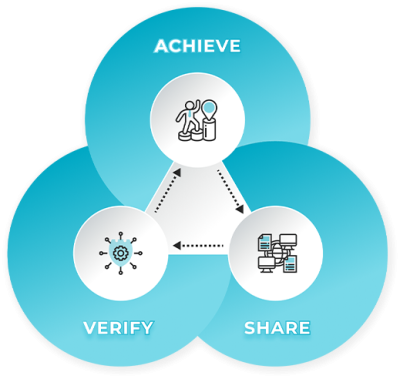
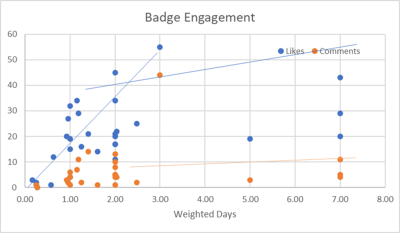
- Digital badges. Recognize members who have proven themselves as volunteers by awarding digital badges. These are virtual prizes that members can display on their profiles as proof they have earned a credential, verified a specific skill, or achieved some other specific accomplishment. For example, you might award a digital badge to members who have accumulated over 100 volunteer hours in your field.
In your volunteer job descriptions and promotional materials for new opportunities, highlight the main benefits volunteers will receive. For instance, you might share how members can connect with peers, gain a deeper understanding of your industry, or receive unique perks.
4. Make volunteering a learning experience.
Volunteer opportunities should benefit your association and members alike. For professional associations, this often means giving volunteers opportunities to develop their skills. Turn volunteer work into learning experiences by:
- Creating structured positions. Ideally, every volunteer opportunity should have a clear structure and purpose so members understand what they are getting out of it. For instance, you might focus on how volunteer roles can help with conflict management, communication, project management, and other skills.
- Rotating volunteers. Give members the opportunity to try a range of volunteer roles. While some might settle into positions they enjoy, others might appreciate rotating through a few different tasks. Use your AMS to monitor members’ effectiveness and total volunteer hours in specific positions.
- Expanding responsibilities. Provide opportunities for those who want to go the extra mile to do more. This might involve more difficult assignments, leadership roles, or tasks that require them to learn new skills.
Be sure to discuss with members what they hope to get out of volunteering with your association. This ensures learning experiences are productive rather than frustrating.
5. Focus on retention.
When it comes to finding volunteers, it’s far easier to engage members who have already volunteered with you than it is to encourage individuals to lend a hand for the first time. As such, you should also focus on retaining those who do lend their time.
You can improve retention by:
- Showing appreciation. Thank volunteers for their hard work. This can take the form of tangible benefits, such as perks, as well as informal recognition, like a verbal thank you at the end of each volunteer assignment.
- Varying opportunities. Give members a range of volunteer opportunities to explore so they can find roles that fit their interests and engage them long-term.
- Promoting personalized roles. If a role opens up that you know fits a specific long-time volunteer’s skill set, let them know about it directly. For instance, you might need an experienced volunteer to help train new ones. In this case, it makes sense to reach out directly to a few individuals rather than make a general recruitment post.
Along with building a knowledgeable base of experienced volunteers, high retention can also help your recruitment efforts. After all, members who have had a positive time volunteering are more likely to recommend volunteer opportunities to other members.
Members keep your association running, and they can lend an extra helping hand through volunteering. Ensure these experiences are mutually rewarding by leveraging tools that make volunteering efficient and structuring volunteer roles are structured to benefit members.